
Summer range trips happen with whatever gear’s in the truck and whatever ammo’s left in the box. After all, you have a lot going on during the summer months, between weekend camping trips and weekday outings with the family. Fall’s different. Cooler mornings and a return to routine make this the right time to stop coasting and get your training dialed back in.
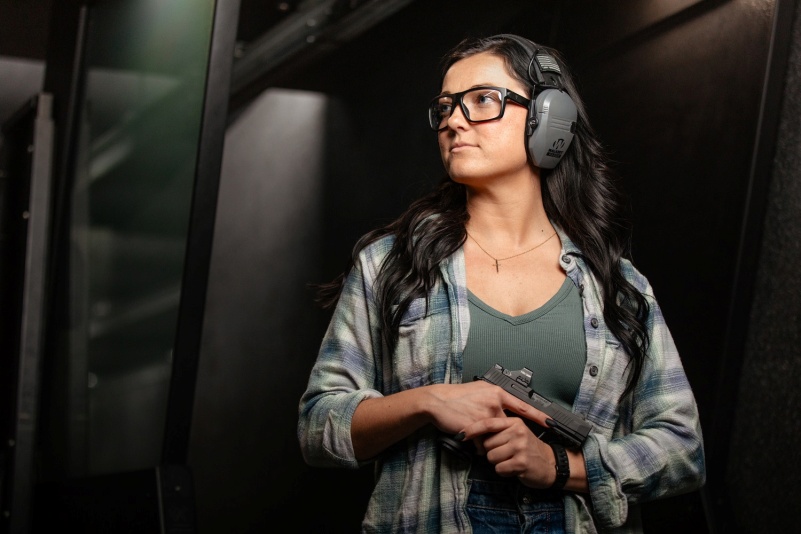
That reset isn’t just trigger time. It covers fundamentals, gear, shorter daylight, and how you’re buying and storing ammo, whether that’s a case of 9mm, a box of green tip rounds set aside, or anything else sitting in the safe. Here’s where to start.
Why Fall Is the Right Time to Reset Your Training
Range schedules open up once summer crowds clear out, and cooler temps mean a few hours outside don’t wear you down like July did. Work and school schedules tighten up this time of year, and training should too. A little more discipline here costs nothing and pays off fast.
Here are a few things to focus on during these next couple of months.
Revisit Your Fundamentals
Casual plinking at the range is fun, no doubt. But if that’s how you spent the majority of your summer, it’s time to get back to basics and train your fundamentals. Grip pressure, trigger control, and follow-through should be at the top of your range to-do list. A slow-fire session on stance, grip, sight alignment, and trigger press will show you exactly where you’ve slipped. Dry-fire at home closes the gap between range trips, and it’s free.
Give Your Gear an End-of-Summer Once-Over
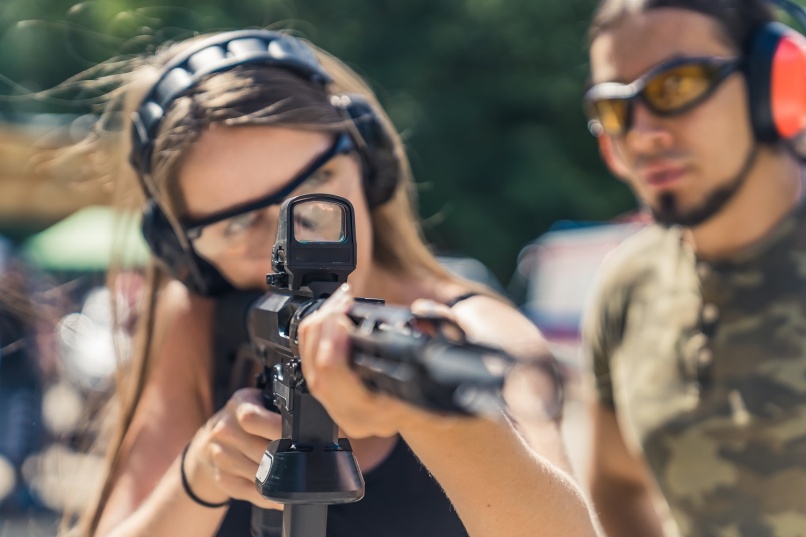
Gear that got hammered all summer usually didn’t get the attention it needed. Now’s the perfect time to clean and inspect it. Check for carbon buildup, worn springs, or a magazine that’s stopped feeding right, and catch the small stuff before it turns into a range-day problem. Check anything mounted on top, too. An optic can drift after months in a bag or tossed around in the backseat. Eye and ear protection wear out the same way, and it’s easy to miss until it fails. Spending just one evening sorting through and checking your gear can pay off the rest of the season.
Adjust Your Training for Shorter Days
Daylight disappears fast once fall hits, and a schedule built around long summer evenings stops working almost overnight. Move range time earlier, check if your range adjusted its hours, and consider moving to an indoor range if that fits your schedule better. The goal isn’t shooting less; it’s shooting on a schedule that fits the daylight you’ve got.
Reconsider How You Buy and Store Ammo
Ammo’s the one part of the routine many people treat as an afterthought, grabbed in a rush right before a range trip instead of planned out. A steadier system works better: buy a little at a time on a set schedule instead of panic-buying when shelves look thin, and store it somewhere consistent and climate-controlled instead of a garage shelf where temperature and humidity swings work against you. Automated, recurring purchases make that easy to stick to.
That system matters more once you’re running additional calibers. Whether you’re tracking 9mm bullet cost for your weekly range gun or a caliber you shoot less often, the same steady buying schedule applies instead of treating every purchase as its own decision.
It holds up for ammo that isn’t meant for regular training, too. A box of green tip rounds set aside still belongs in the same reserve as everything else, tracked and stored the same way, even if it’s not something you run through on a normal range day.
The same logic applies to less common calibers. Someone tracking the 300 blackout ammo price for a suppressed setup needs the same steady approach as their primary training caliber. Infrequent use is exactly when a reserve gets forgotten, so create a plan for all of the calibers you shoot, no matter how frequently, so you stay stocked up and ready.
Common Training Calibers at a Glance
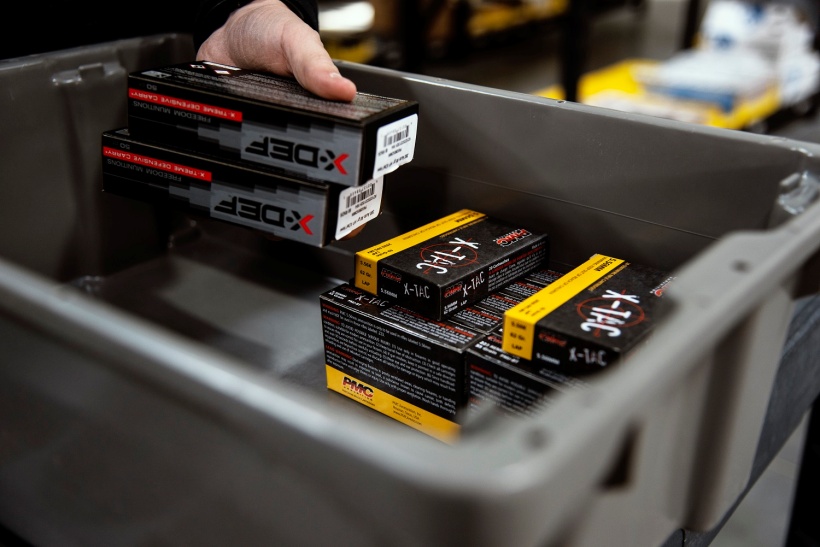
Here’s where a few common training calibers fit into a fall routine, including where 5.56 mm green tip lands and where it doesn’t.
| Caliber / Load Type | Typical Training Use | What to Keep in Mind |
| 9mm | Everyday range training, most handgun drills | Widely available, allowed at almost every indoor and outdoor range |
| 5.56 standard (FMJ) | Standard rifle training and practice | The default choice for regular, high-volume range sessions |
| 5.56 self-defense (hollow point) | Home-defense function checks, not routine practice | Use sparingly to confirm function, not for general training volume |
| 5.56 mm green tip | Not intended for regular practice or training | Steel-core construction means most indoor ranges and steel-target bays won’t allow it. |
| 300 Blackout | Suppressed or subsonic training setups | Check your range’s rules on subsonic loads and suppressor use before you show up. |
Set One Real Goal for the Season
None of this has to happen at once. Trying to fix everything in one weekend usually backfires. Pick one specific, measurable goal for the season, whether that’s tightening your group size, adding a weekly dry-fire session, or building a real ammo-buying routine instead of restocking in a panic. That sticks better than a vague resolution to train more.
FAQs
What’s a Realistic Amount of Range Time to Aim for Each Week This Fall?
Consistency matters more than volume. One focused hour every week or two, plus a few minutes of dry-fire at home in between, does more for your skills than one long session a month. Shorter daylight hours make that steady, smaller-block schedule easier to stick to than trying to protect one big weekend session.
How Often Should You Test-Fire Your Self-Defense Ammo?
Enough to trust it, not enough to burn through your reserve. Firing a few rounds of dedicated 5.56 self defense ammo now and then confirms it cycles reliably and lands where it should, without eating into the supply you’re actually counting on. Practice ammo, typically full metal jacket built for volume and cost, handles the rest of your reps. Fall’s a natural point to work that check into the routine along with everything else.
Why Do Ammo Prices Seem to Shift with the Seasons?
Demand drives ammo prices more than the calendar. Fall brings a general uptick in range activity as more shooters settle back into a training routine, and that demand impacts 223, 5.56, and 9mm ammo prices the same way any high-demand stretch would. It’s less a fixed seasonal rule than more shooters buying and training at the same time.
Is Green Tip 5.56 a Good Choice for Range Training?
Not really, and that’s by design, not a limitation. Green tip rounds are designed for a specific role, not routine practice, and the steel-core construction means most indoor ranges and steel-target bays won’t allow them at all. Standard 5.56 FMJ is still the better call for regular training volume. Keep green tip for the job it was actually built for.
About AmmoSquared
AmmoSquared takes the guesswork out of building your personal ammo reserve. Choose your calibers, set a monthly budget, and AmmoSquared handles sourcing and stores the inventory in a secure, climate-controlled facility. Live market pricing tools inform every purchase, with full account management from their website or app. Request a shipment whenever you need it, or set an automatic trigger based on time, rounds, or spending.
Get your ammo routine locked in this fall with AmmoSquared at https://ammosquared.com/

