Washington D.C. (April 30, 2026)- The Association of Fish and Wildlife Agencies (Association) applauds the distribution of over $57 million for state fish and wildlife agencies to restore, manage, and conserve important habitats for species of greatest conservation need through the implementation of State Wildlife Action Plans. This week, the U.S. Fish and Wildlife Service announced the disbursement of funds through the State Wildlife Grants (SWG) Program to support state efforts to conserve at-risk species and their habitats across the nation.
“State fish and wildlife agencies are on the front lines of conservation,” said Paul Johansen, Chief of the Wildlife Resources Section of the West Virginia Division of Natural Resources and President of the Association. “State Wildlife Grants are essential for proactive work that keeps species off the endangered list, ensuring regulatory certainty and avoiding the high costs of emergency recovery.”
Established in 2000, the State Wildlife Grants Program has been proven to strengthen local economies. More than 175 million Americans participate in wildlife-related recreation such as hunting, fishing, birding, hiking, and photography. The outdoor recreation economy generates $1.3 trillion in economic output, contributes 2.4% to GDP, and supports over 5 million American jobs. Healthy fish and wildlife populations are the foundation of this economic engine. State Wildlife Grants provide money to states, territories, commonwealths, and the District of Columbia to address wildlife conservation needs such as research, surveys and species and habitat management. Projects focus on wildlife species of greatest conservation need identified in State Wildlife Action Plans. State Wildlife Action Plans are the blueprints for conserving the nation’s fish, wildlife, biodiversity, and their habitats. Recent successes include the restoration of the Boreal Toad in Utah and Guadalupe Bass in Texas, as well as conservation and management of priority habitats for the Greater Sage-Grouse in South Dakota and freshwater mussels in Kentucky. Examples of projects funded by State Wildlife Grants include:
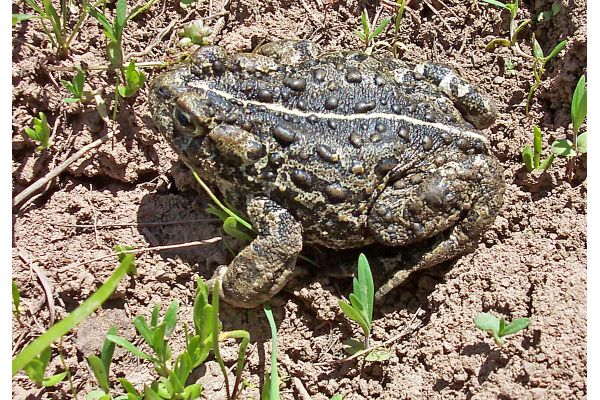
• Boreal Toad conservation in Utah: The Boreal Toad, an alpine amphibian native to the Western U.S., was facing declining numbers in Utah. Using SWG funding, the Utah Division of Wildlife Resources was able to monitor populations over the long term, restore crucial habitat, and release thousands of juvenile toads into the wild, all of which helped stabilize the population.
• Restoration of Guadalupe Bass in Texas: Restoration of the official state fish of Texas, Guadalupe Bass, has been made possible through State Wildlife Grants. The Texas Parks and Wildlife Department has used the funds to stock this iconic fish, control invasive species that threaten it, and work to restore its habitat. Through these efforts, 10 self-sustaining populations have been established in the bass’ native range.
As the only source of federal funds for states to manage the full breadth of species in the public trust, State Wildlife Grants are critical to the success of locally-led, collaborative conservation. In addition, State Wildlife Grants have a significant positive impact on the economy, contributing to job creation, income generation, and increased tax revenue. These grants support conservation efforts that benefit local economies through increased tourism, recreational activities, and the preservation of natural resources.
The Association of Fish & Wildlife Agencies represents North America’s fish and wildlife agencies to advance sound, science based management and conservation of fish and wildlife and their habitats in the public interest. The Association represents its state agency members on Capitol Hill and before the Administration to advance favorable fish and wildlife conservation policy and funding and works to ensure that all entities work collaboratively on the most important issues. The Association also provides member agencies with coordination services on cross-cutting as well as species-based programs that range from birds, fish habitat and energy development to climate change, wildlife action plans, conservation education, leadership training and international relations. Working together, the Association’s member agencies are ensuring that North American fish and wildlife management has a clear and collective voice.
ASSOCIATION OF FISH & WILDLIFE AGENCIES

